
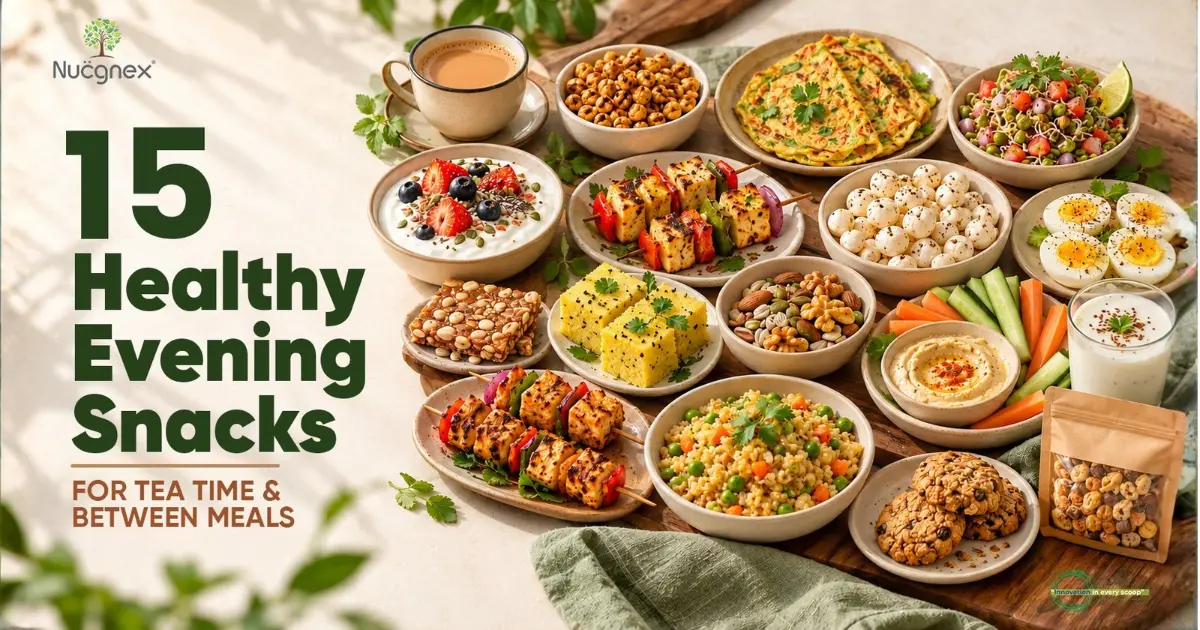
Healthy evening snacks are nutritious foods eaten between meals or with tea, such as roasted chana, nuts, fruit, sprouts and high-protein snacks that provide protein, fiber and energy as part of a balanced diet.
A good evening snack does not need to be complicated. The easiest approach is to choose a food that gives you some protein, fiber or both, keep the portion sensible, and avoid turning tea time into another full meal.
Key Takeaways
- Choose evening snacks that add protein, fiber or both.
- Roasted chana, sprouts, eggs, paneer and curd are practical options.
- Pair a carbohydrate-based snack with a protein source when possible.
- Keep calorie-dense foods such as nuts and seeds to a sensible portion.
- Tea-time does not have to mean biscuits, fried namkeen or sweets every day.
The 5 pm problem
For most Indian households, the evening comes with a ritual: a cup of chai and something to go with it. Lunch was hours ago, dinner is still hours away, and energy is dipping. That is exactly when the biscuit packet, the bhujia tin or the samosa from the corner shop feels hardest to resist.
There is nothing wrong with enjoying tea time. The issue is what usually comes with it. Many popular tea-time snacks are made with refined flour, deep-fried in reused oil, and high in salt and sugar. They deliver a quick burst of energy, followed by a slump and renewed hunger an hour later, which often leads to overeating at dinner.
A better evening snack does the opposite: it keeps you full, steadies your energy and adds real nutrition to your day.
What makes an evening snack healthy?
Two nutrients do most of the work:
- Protein is the most filling macronutrient. It slows digestion and influences appetite hormones, helping you stay satisfied longer (Leidy et al., 2015).
- Fiber, especially soluble fiber, slows the release of sugar into the blood and adds bulk, so you feel fuller on fewer calories.
A useful rule of thumb for an evening snack is 150–250 kcal, with at least 5–10 g of protein and some fiber, little added sugar, and cooking methods like roasting, steaming or baking rather than deep-frying.
15 healthy evening snacks for tea time and between meals:
Protein figures are approximate, per typical serving.
1. Roasted chana
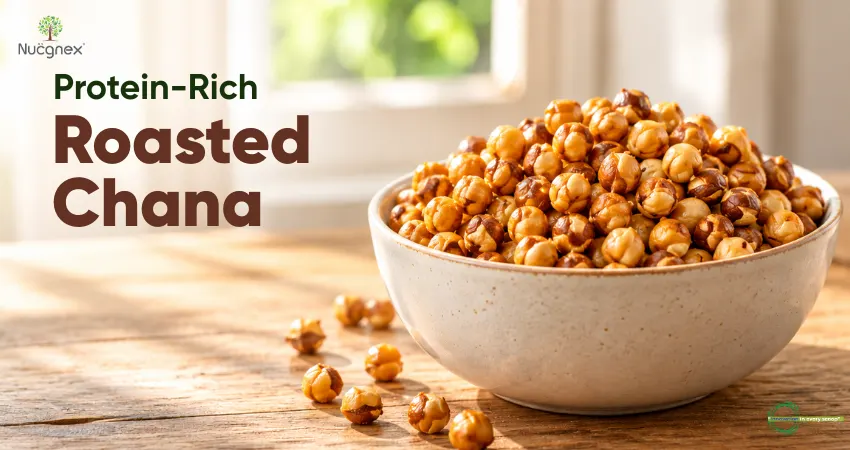
A 30 g serving of roasted chana provides approximately 6 g of protein and 5 g of fiber, depending on the variety. Its crunchy texture makes it a natural companion to evening chai, especially when you want something savoury instead of fried namkeen.
Choose plain or lightly seasoned roasted chana, and check the salt content of packaged varieties.
2. Moong dal chilla
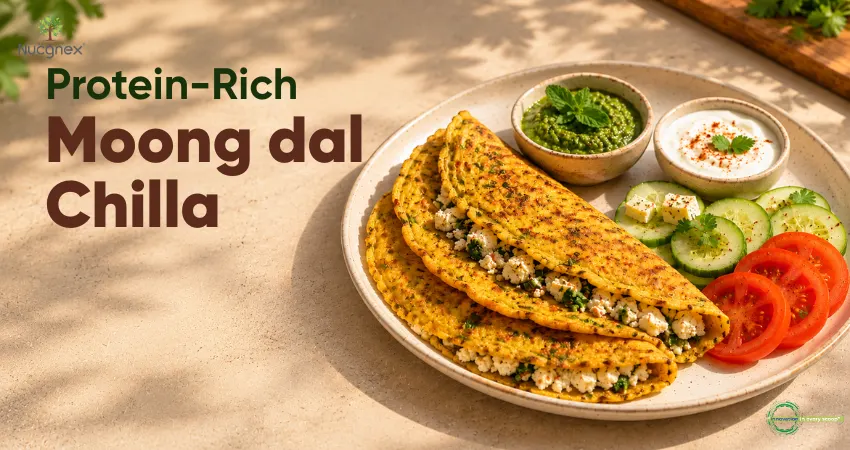
A small moong dal chilla can provide around 7–8 g of protein, depending on the quantity of dal used. Prepare it with soaked moong dal, spices and grated vegetables, then cook it on a lightly oiled pan.
The dal contributes plant-based protein, while vegetables add variety and fiber. Serve it with mint chutney or plain curd for a more substantial snack.
3. Sprouts chaat
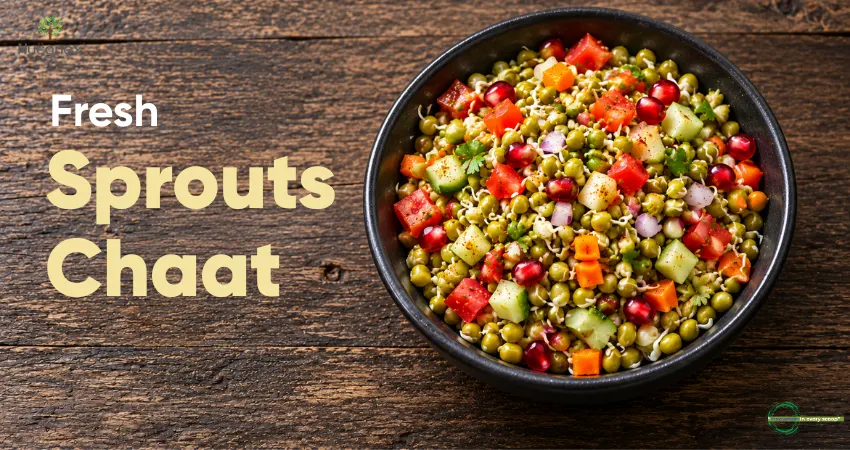
Combine cooked moong sprouts with chopped onion, tomato, cucumber, lemon juice and chaat masala. A bowl can provide approximately 7–9 g of protein, depending on its size and ingredients.
This is a refreshing alternative to packaged snacks because it combines pulses with vegetables. Cook sprouts thoroughly before eating, particularly when preparing them at home.
4. Paneer tikka
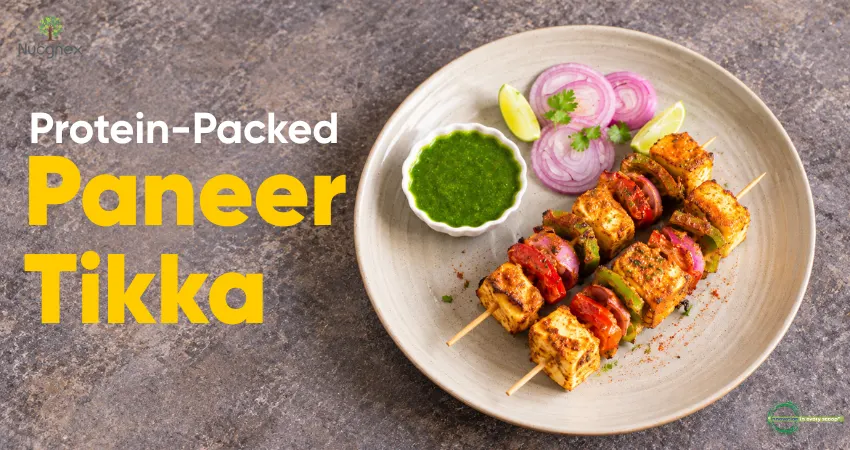
Around 50 g of paneer provides approximately 9 g of protein, depending on the product. Cut it into cubes, coat it with yoghurt and spices, and pan-roast or grill it with capsicum and onion.
Paneer makes a satisfying savoury option when you want something more substantial than biscuits. Use a measured amount of oil and adjust the portion to your appetite.
5. Roasted makhana
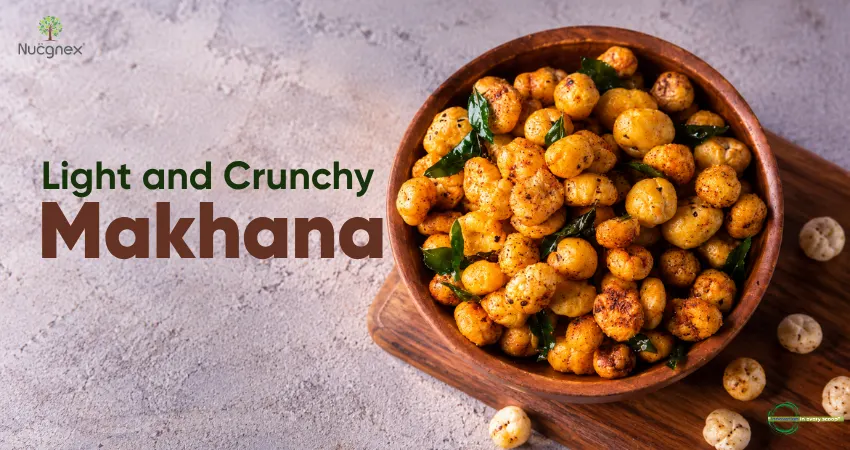
A 30 g serving of makhana provides roughly 3–4 g of protein, depending on the product. Dry-roast the fox nuts with a little ghee, black pepper, cumin or turmeric for a crunchy snack.
Makhana is convenient to prepare and easy to portion. However, don’t assume that it is automatically low in calories or high in protein; the nutritional value depends on the serving and any added ingredients.
6. Boiled egg chaat
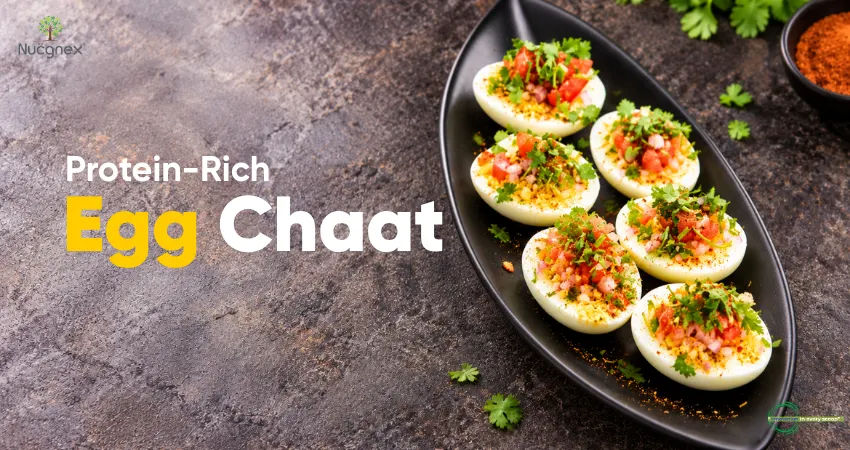
Two boiled eggs provide approximately 12–13 g of protein. Slice them and season with pepper, lemon juice, coriander or a little green chutney.
Eggs are a practical protein source, but they provide very little fiber. Pair them with cucumber, tomato or another vegetable if you want to include fiber in the same snack.
7. Greek yoghurt or hung curd with fruit
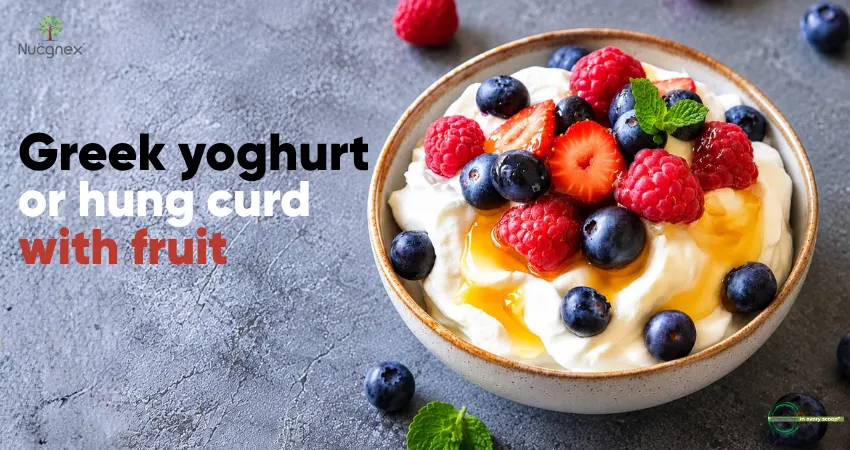
A 150 g serving of hung curd may provide around 8–10 g of protein, although the amount varies considerably with preparation and moisture content. Add seasonal fruit and a small quantity of seeds for texture.
This combination works well when you prefer a cool, mildly sweet snack with your afternoon tea. Choose plain curd without added sugar, and keep it refrigerated until serving.
8. Peanut and jaggery chikki
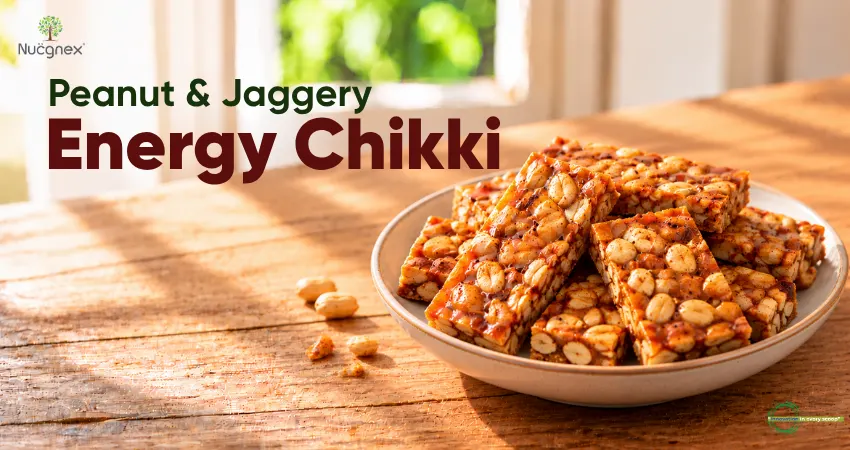
A small piece of peanut chikki combines the protein and fats from peanuts with the sweetness of jaggery. Its protein and fiber content depends on the proportion of peanuts, jaggery and the size of the piece.
Chikki is a convenient traditional treat, but it is also energy-dense and contains sugars. Keep the portion modest if you are trying to manage your overall energy or sugar intake.
9. Besan dhokla
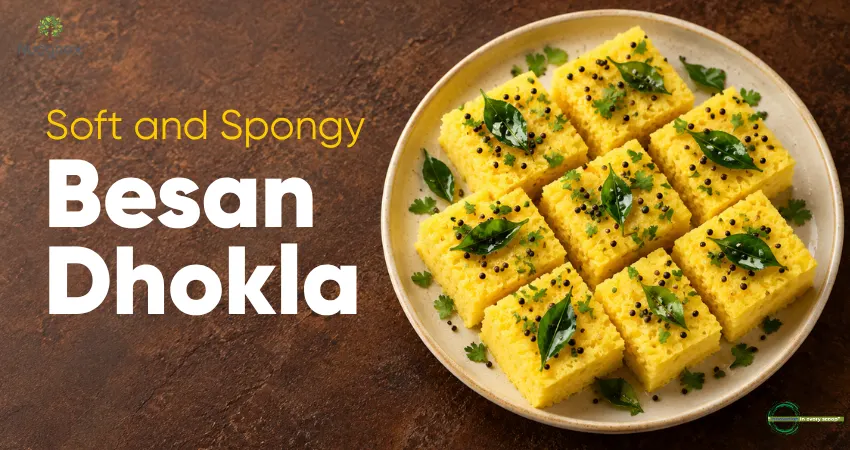
Two medium pieces of besan dhokla can provide approximately 5–6 g of protein, depending on their size and recipe. The gram flour supplies plant-based protein, and steaming offers an alternative to deep-frying.
Add coriander, mustard seeds and curry leaves for flavour. Pair dhokla with mint chutney or a small serving of curd if you want a more substantial tea-time snack.
10. Mixed nuts and seeds
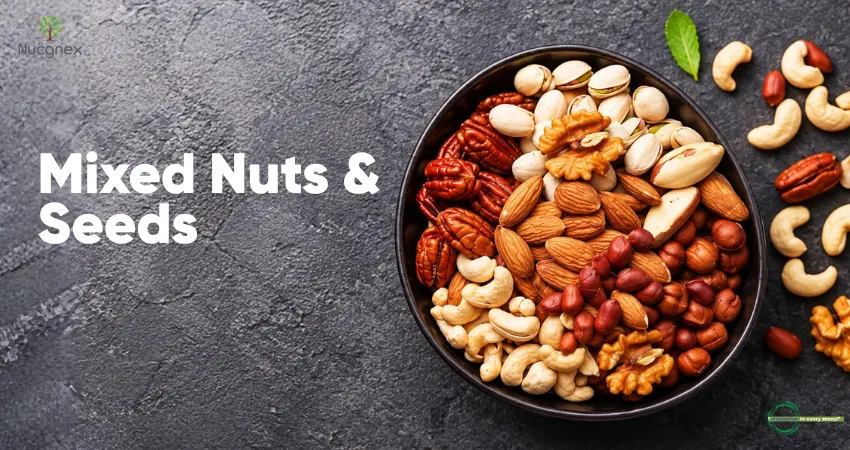
A 25 g serving of mixed almonds, walnuts and pumpkin seeds can provide approximately 5 g of protein, depending on the proportions used. Nuts and seeds also contribute unsaturated fats and other nutrients.
Portion them into a small container before heading to work. They are convenient between meals, but a small handful is usually more practical than eating directly from a large packet.
11. Grilled chicken or soya chunk skewers

For a non-vegetarian option, grill small pieces of chicken with capsicum and onion, using a measured amount of oil and your preferred spices.
For a vegetarian alternative, soak or cook soya chunks according to the package instructions, season them and thread them onto skewers with vegetables. A 25 g portion of dry soya chunks may provide around 13 g of protein, depending on the brand.
Both options work well when you want a savoury snack with more protein. Cook chicken thoroughly and store prepared foods safely.
12. Vegetable oats upma
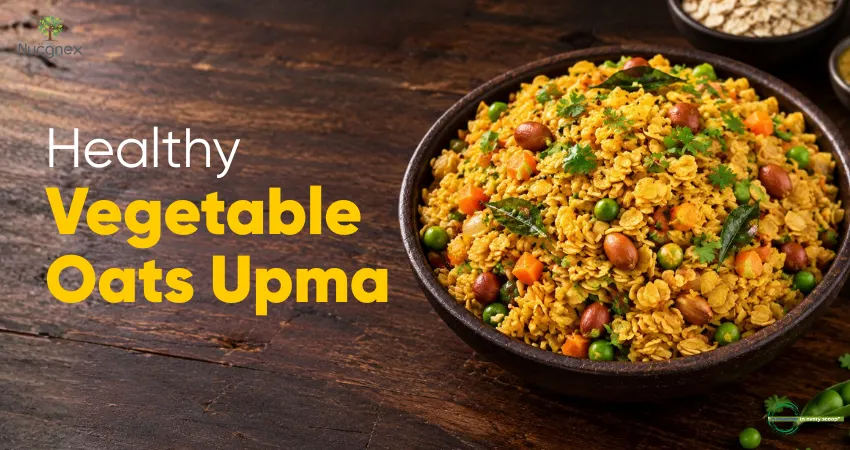
Prepare oats with peas, carrots, onion, curry leaves and spices for a warm evening snack. Oats contain beta-glucan, a type of soluble fiber that supports normal cholesterol management when consumed as part of an appropriate diet.
The protein and fiber in a serving depend on the quantity of oats and vegetables used. Add roasted chana or serve the upma with plain curd if you want to increase the protein content.
13. Hummus with carrot and cucumber sticks
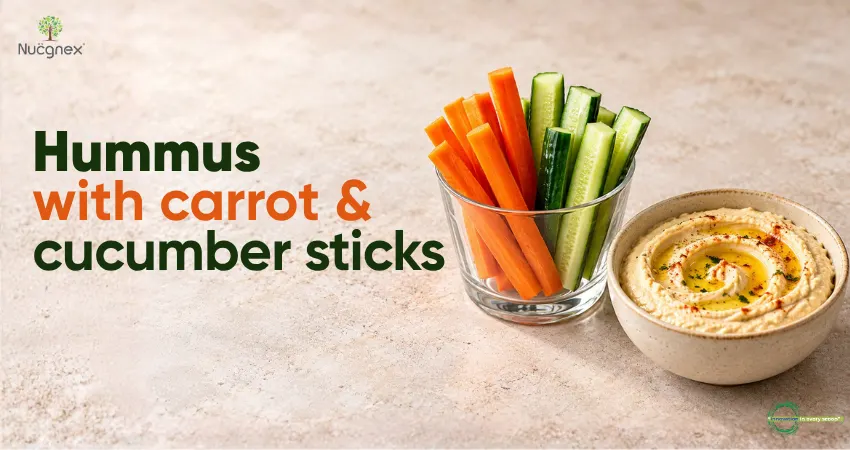
Serve chickpea-based hummus with carrot, cucumber and capsicum sticks. Chickpeas contribute protein and fiber, while the vegetables provide crunch and variety.
The nutritional value depends on the hummus recipe and portion size. If you buy it ready-made, check the label for salt, ingredients and potential allergens, including sesame where applicable.
14. Buttermilk with roasted cumin
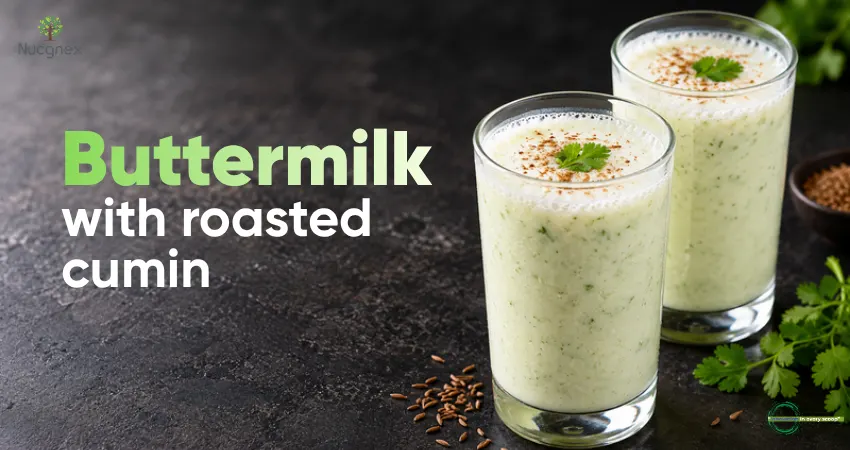
A glass of plain buttermilk seasoned with roasted cumin and coriander makes a refreshing accompaniment to an evening snack. Its protein content depends on how it is prepared and how much curd is used.
Buttermilk alone is usually less protein-rich than a serving of paneer, eggs or pulses. Pair it with roasted chana or another suitable snack when you need something more filling.
15. Ready-to-eat protein-and-fiber snacks
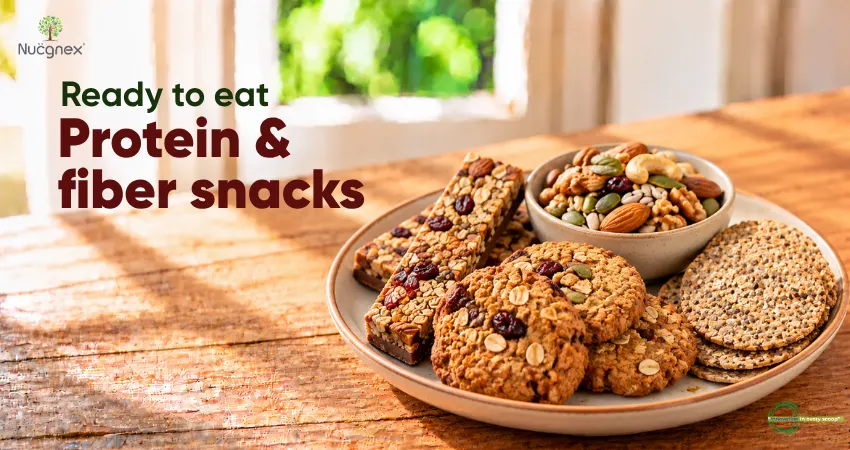
On busy days, a ready-to-eat snack can be more convenient than preparing a recipe from scratch. Protein biscuits, soft-baked cookies and other packaged snacks are worth comparing when you want something portable to enjoy with chai.
How should you choose a snack between meals?
Ask four simple questions:
1. How hungry am I?
If you are only slightly hungry, a small snack may be enough.
2. How long until dinner?
A snack needed 30 minutes before dinner is different from one needed several hours earlier.
3. What is missing from my day?
If your meals have been low in protein, choose a protein-containing option. If vegetables and fruit have been limited, include one here.
4. Will this snack actually satisfy me?
A tiny snack that leaves you searching for another food ten minutes later is not always the most practical choice.
This is why there is no universal “best evening snack.”
Quick comparison of evening snack options
| Snack | Approx. protein per serving | Fiber | Prep time |
| Roasted chana | 6 g | High | None |
| Moong dal chilla | 7–8 g | Medium | 15 min |
| Sprouts chaat | 7–9 g | High | 5 min (with ready sprouts) |
| Paneer tikka | 9 g | Low | 15 min |
| Boiled egg chaat | 12 g | Low | 10 min |
| Hung curd with fruit | 8–10 g | Medium | 5 min |
| Soya chunk skewers | 13 g | Medium | 20 min |
| Protein and fiber snack | Check label | Check label | None |
Tips for healthier tea-time habits
- Plan the snack, not just the tea. Keep roasted chana, makhana or nuts at your desk so the biscuit tin is not the default.
- Pair carbs with protein. If you do have a biscuit or a piece of mithai, pair it with a protein item to soften the sugar spike.
- Watch portion size. Even healthy snacks such as nuts and chikki are calorie-dense. Use a small bowl rather than eating from the packet.
- Mind the chai. Two teaspoons of sugar in two cups a day adds up to roughly 20 g of sugar. Gradually reduce it.
- Do not skip the snack if dinner is late. A small, protein-rich evening snack can prevent overeating at night.
What about packaged evening snacks?
Packaged foods are not automatically unhealthy, and homemade foods are not automatically perfect.
Read the label.
Look at:
- Serving size
- Protein
- Fiber
- Added sugar
- Sodium
- Total fat
- Ingredient list
Then compare similar products on the basis of what you actually want from the snack.
Joylite : healthy snacking made easy
On days when there is no time to prepare sprouts, chilla or other homemade snacks, Joylite by Nucgnex offers a convenient option for everyday snacking. Made by a clinical nutrition company, Joylite cookies combine the goodness of ragi and multigrain ingredients with protein and dietary fiber, making them a practical choice for tea time, travel or busy workdays.
- Protein per serving: 10.34 g
- Dietary fiber per serving: 8.8 g
- Made with: Ragi and multigrain ingredients
- Preparation method: Soft-baked cookies
Ragi and multigrain ingredients add variety to your everyday snack choices, while protein and dietary fiber help make your snack more satisfying. Keep a pack of Joylite cookies in your bag, car or desk drawer for convenient snacking between meals or alongside your evening tea.
Looking for a convenient multigrain snack? Explore Joylite cookies on the official Nucgnex website.
Frequently asked questions
What is the healthiest snack to eat in the evening?
One that combines protein and fiber in a moderate portion, such as roasted chana, sprouts chaat, hung curd with fruit or a boiled egg chaat.
Are evening snacks bad for weight loss?
Not if chosen well. A planned, protein-rich snack can reduce hunger and help prevent overeating at dinner.
What can I eat with tea instead of biscuits?
Roasted makhana, roasted chana, a small handful of nuts, dhokla or a protein and fiber snack.
How many calories should an evening snack have?
For most adults, about 150–250 kcal is a sensible range.
References
- Leidy HJ, et al. The role of protein in weight loss and maintenance. Am J Clin Nutr. 2015;101(6):1320S–9S.
- Longvah T, et al. Indian Food Composition Tables. ICMR-National Institute of Nutrition; 2017.
- ICMR-National Institute of Nutrition. Dietary Guidelines for Indians. Hyderabad; 2024.
- Reynolds A, et al. Carbohydrate quality and human health: a series of systematic reviews and meta-analyses. Lancet. 2019;393(10170):434–45.
